



category
- - PTFE (2)
- - UHMW (2)
- - polyamide (3)
- - Soft PVC (1)
- - Polypropylene (1)
- - polymer ABS (1)
- - Polyethylene - HDPE (3)
- - PEEK (1)
- - Polyethylene terephthalate (1)
- - U-PVC (1)
- - PVDF (1)
- - Polyurethane PU (1)
- - Silicone Rubber (1)
- - Polyacetal POM (1)
- - User board polymer (1)
- - Threaded fiber (1)
- - Teflon turning (2)
- - Specialty engineering plastics (47)
- - Polymer and Plastic Articles (49)
- - polymer (49)
- - Fiberglass (1)
Latest content
-
.png)
پارچه ویسکوز چیست؟ بررسی کامل ویژگیها، کاربرد و مزایا
What Is Viscose Fabric? A Co ..
-
.png)
Comparative Analysis of Polyethylene Products (Sheet, Rod, Pipe, Welding Wire) with Other Polymers in Key Industries
Title: Comparative Analysis o ..
-
.png)
Comparison of Polymer Adhesion Strength to Metals: Epoxy, PU, Silicone & More
&nbs ..
-
.png)
How to Bond Plastic to Metal – Adhesive Guide & Strength Table
How to Bond Plastics to Metal: Adhes ..

tags
- Agricultural polymer
- Plastic to metal adhesive
- Polymer adhesive
- Polymer adhesive strength
- ABS material
- ABS vs PP
- گرید غذایی پلیمر
- food grade polymer
- گرید غذایی
- جدول مقایسه پلیمرها
- استحکام فشاری
- مقاومت کششی
- استحکام مکانیکی پلیمرها
- کاربردهای PP
- خواص ABS
- تفاوت ABS و پلی پروپیلن
- مقایسه پلیمر ABS و PP
- پلیمر سبک و سنگین
- وزن پلیمرها
- انتخاب پلیمر مناسب
- جدول چگالی پلاستیکها
- چگالی پلیمر چیست
- پلیمر در برابر حلال
- جدول مقاومت شیمیایی
- مقاومت در برابر مواد شیمیایی
- پلیمر ضد اسید
- مقاومت شیمیایی پلیمرها
- اصطکاک مکانیکی
- پلیمر کم اصطکاک
- ضریب اصطکاک
- اصطکاک
- قطعات پلیمری الکتریکی
- برد مدار چاپی
- عایق الکتریکی
- صنعت الکترونیک
- ABS
- PVC
- مواد مهندسی
- ترموپلاستیک
- پلاستیک
- پلیمرهای مقاوم به استریل
- پکینگ دارویی
- قطعات پلیمری بهداشتی
- مواد food grade
- پلیمر دارویی
- پلیمر پزشکی
- پلیمر صنایع غذایی
- مهندسی خودرو
- مواد سبک صنعتی
- قطعات پلیمری خودرو
- پلاستیک خودروسازی
- پلیمر خودرو
- نوار آببند پلیمری
- واشر پلیمری
- جایگزین فلز با پلیمر
- کاربرد پلیمر در صنعت
- قطعات پلیمری صنعتی
- پلیمر کشسان
- کاربرد الاستومر در خودرو
- الاستومر سیلیکونی
- تفاوت الاستومر و پلاستیک
- انواع الاستومر
- الاستومر چیست
- قیمت ورق پلکسی
- تفاوت پلکسی با شیشه و پلی کربنات
- کاربرد پلکسی در دکوراسیون
- مزایا و معایب پلکسی
- پلکسی گلاس چیست
- برش لیزر پلکسی
- ورق آکریلیک
- پلکسی رنگی
- پلکسی ضد ضربه
- پلاستیک شفاف جایگزین شیشه
- ورق پلکسی شفاف
- پلی متیل متاکریلات
- پلکسی گلس
- الیاف شیشه
- پروفیل فایبرگلس
- ورق فایبرگلس
- کامپوزیت الیاف شیشه
- فایبرگلس
- سیل هیدرولیک
- رینگ مقاوم به سایش
- پلی آمید روغنی
- رینگ پلیمر صنعتی
- سیل مکانیکی
- حلقه آب بندی
- پلی آمید PA 6G
- نایلون ریختهگری
- سیل رینگ
- PA در دیالیز
- پلیمر زیستسازگار
- قطعات دستگاه پزشکی
- مواد پلیمری پزشکی
- نایلون مهندسی
- پلی آمید پزشکی
- قطعه دیالیز
- خطوط تولید
- تجهیزات صنعتی
- غلطک پلیمری
- نقاله
- غلطک
- بالابر صنعتی
- تجهیزات بالابر
- قرقره مهندسی
- قرقره UHMW pulley
- قرقره جرثقیل
- قرقره پلیمری
- پلیمر (polymer ) چیست ؟
- سیلیکون - Silicone چیست
- پلی استال-POMچیست
- فیبر نخدار چیست
- برشکاری پلیمر چیست
- تراشکاری پلیمر چیست
- ماشین کاری پلاستیک چیست
- ماشینکاری پلیمر
- پلیمرهای مهندسی
- ماشینکاری دقیق
- ساخت قطعه پلیمری
- تراش PEEK
- تفلون تراشی
- POM machining
- پلیمر صنعتی
- تراشکاری قطعات مهندسی
- CNC پلاستیک
- ماشینکاری پلیمری،
- قیمت برشکاری
- برش صنعتی پلاستیک
- برش لیزری پلاستیک
- برش دستی
- لیزر پلیمر
- برش CNC پلیمر
- پلیاستال برای تجهیزات غذایی
- تفاوت POM و Nylon
- خواص مکانیکی POM
- مزایای پلیاستال در صنایع مهندسی
- مقایسه پلیاستال با سایر پلیمرها
- ویژگیهای پلیاستال
- پلیاستال چیست
- پلاستیک برای صنایع دارویی
- کاربرد PVDF
- کاربردهای پلیمرها
- مقایسه پلیمرها
- ورق عایق
- ورق ضد شعله
- ویژگیهای U-PVC
- پلیمر U-PVC
- نایلون صنعتی
- Polyamide
- میلگرد پی وی سی نرم
- پلیمر PP
- کاربرد پلی پروپیلن
- لوله پلی پروپیلن
- میلگرد پلی پروپیلن
- ورق پلی پروپیلن
- Polypropylene
- خرید ورق فیبر نخدار
- قیمت ورق فیبر نخدار
- فیبر نخدار
- ورق فیبر نخدار
- POM Food Grade
- قیمت پلی استال – (ERTACETAL)POM
- خرید پلی استال – (ERTACETAL)POM
- پلی استال – (ERTACETAL)POM
- ورق POM
- سیلیکون
- سیلیکون - Silicone
- خرید ورق سیلیکون - Silicone Rubber
- قیمت ورق سیلیکون - Silicone Rubber
- ورق سیلیکون - Silicone Rubber
- قیمت میلگرد پلی اورتان PU
- قیمت پلی اورتان PU
- پلی اورتان PU
- میلگرد پلی اورتان PU
- خرید ورق پلی اورتان PU
- قیمت ورق پلی اورتان PU
- U-PVC Welding Rod
- U-PVC Rod
- قیمت ورق پی وی سی سخت U-PVC
- U-PVC
- ورق پی وی سی
- پلی اتیلن ترفتالات
- میله پلاستیکی PET
- PET Rod
- میلگرد PET
- pet
- PET food
- PET Sheet
- ورق پلی اتیلن ترفتالات PET
- ورق PET
- خرید میلگرد PEEK
- قیمت میلگرد PEEK
- میلگرد PEEK
- PEEK
- پلی اتر اتر کتون
- PEEK sheet
- ورق PEEK
- قیمت میلگرد PTFE
- میلگرد PTFE
- ورق PTFE
- PTFE
- قیمت میلگرد UHMW 1000
- میلگرد UHMW 1000
- ورق UHMW
- قیمت لوله پلی آمید
- لوله پلی آمید
- قیمت میلگرد پلی آمید
- میلگرد پلی آمید
- ورق پلی آمید
- پی وی سی انعطافپذیر
- ورق پی وی سی نرم
- قیمت مفتول جوش پلی پروپیلن
- مفتول پلیمری
- Construction Polymers
- Price of PP Sheet
- PP Sheet
- Application of ABS Pipe
- ABS pipe price
- ABS Pipe in Building
- Polymer Pipes
- ABS Pipe
- ABS rebar price
- Polymer rebar price
- Polymer Rebar
- ABS Rebar
- Purchase ABS Sheet
- Engineering Plastic
- ABS Sheet
- Price of ABS Sheet
- ABS Plastic
- ABS Sheet
- HDPE polyethylene welding wire price
- Polyethylene Pipe Connection
- Teflon
- Price of Cutting Board
- Price of Polyethylene Cutting Board
- Price of Hygienic Cutting Board
- Polyethylene Cutting Board
- Cutting Board
- Price of HDPE Polyethylene Pipe
- HDPE Polyethylene Pipe
- Price of Polyethylene Pipe
- Polyethylene Pipe
- Price of Polyethylene Rebar
- Price of HDPE Polyethylene Rebar
- Price of Wear-Resistant Parts Manufacturing
- Manufacturing of Wear-Resistant Parts
- Price of Polyethylene Sheet
- Plastic Sheet
- Polyethylene Sheet
- Price of Polyethylene
- Polyethylene
- polymer
- HDPE (High-Density Polyethylene)
- ABS (Acrylonitrile Butadiene Styrene)
- PP (Polypropylene)
- Soft PVC (Plasticized Polyvinyl Chloride)
- Polyamide
- UHMW (Ultra-High Molecular Weight )
- Polytetrafluoroethylene
ABS Sheet
ABS Sheet (Acrylonitrile Butadiene Styrene) | Properties, Applications & Polymer Comparison Guide
Introduction to ABS Sheets
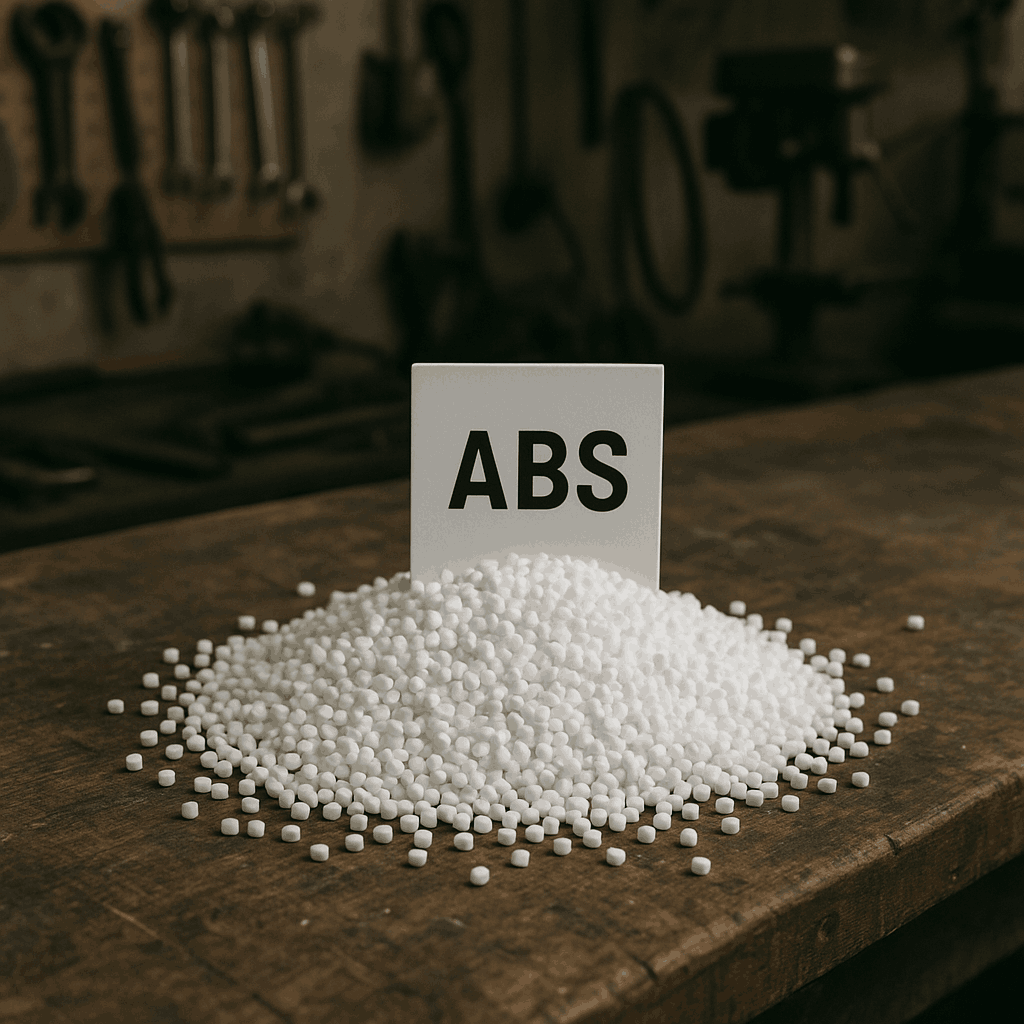
ABS (Acrylonitrile Butadiene Styrene) is a widely used engineering thermoplastic known for its excellent balance of impact resistance, rigidity, and machinability. Due to its ease of processing, glossy finish, and affordability, ABS sheets are highly popular in industries ranging from automotive to electronics and prototyping.
🔍 Technical Specifications & Properties of ABS
✅ Impact Resistance – High toughness, even at low temperatures
✅ Machinability – Easy to cut, drill, mill, and thermoform
✅ Chemical Resistance – Moderate resistance to acids, alkalis, and oils
✅ Aesthetic Finish – Smooth, glossy surface; can be easily painted or plated
✅ Lightweight & Durable
✅ Good Electrical Insulation Properties
📊 Technical Data Sheet (TDS)
| Property | Value / Description |
|---|---|
| Density | 1.03 – 1.07 g/cm³ |
| Operating Temperature | -20°C to +80°C |
| Impact Resistance | High |
| Tensile Strength | ~ 40 MPa |
| Chemical Resistance | Moderate (not suitable for strong solvents) |
| UV Resistance | Low (unless stabilized) |
| Recyclability | Yes |
| Machinability | Excellent |
| Food Grade Availability | Limited |
🏭 Common Applications of ABS Sheets
🔹 Automotive Parts – Interior trims, dashboards, panels
🔹 Prototyping and 3D Printing – Especially in FDM printers
🔹 Consumer Goods – Toys (e.g., LEGO), electronics casings
🔹 Construction & DIY – Wall panels, pipe fittings
🔹 Appliance Housings – Refrigerators, vacuum cleaners
🔹 Display and Signage Boards – Durable and paintable surfaces
✅ Advantages of Using ABS:
-
Excellent strength-to-weight ratio
-
Thermoformable and easy to mold
-
Suitable for electroplating and painting
-
Economical for large-scale production
-
Impact resistance makes it ideal for protective parts
🔄 Common ABS Forms:
-
ABS Sheets – Used in fabrication and thermoforming
-
ABS Rods – Ideal for CNC machining
-
ABS Pipes & Fittings – Used in plumbing and drainage systems
-
3D Printing Filaments – FDM compatible
⚖️ Comparison of ABS with Other Engineering Plastics
| Property / Polymer | ABS | HDPE | PVC | POM | PA6 (Nylon) |
|---|---|---|---|---|---|
| Impact Resistance | High | Very High | Good | Very High | High |
| Machinability | Excellent | Moderate | Poor | Excellent | Moderate |
| UV Resistance | Low | Moderate | High | Moderate | Low |
| Chemical Resistance | Moderate | Excellent | Moderate | Good | Good |
| Operating Temp. Range | -20 to +80°C | -50 to +80°C | -10 to +60°C | -40 to +100°C | -40 to +120°C |
| Food Grade Available | Limited | Yes | Yes | Yes (FG) | Yes (in FG) |
| Cost | Economical | Low | Moderate | Higher | Moderate |
📌 Key Takeaways:
-
ABS vs HDPE: ABS offers better surface finish and machinability, while HDPE excels in chemical and moisture resistance.
-
ABS vs PVC: ABS is easier to machine and paint, whereas PVC is more flame-resistant.
-
ABS vs POM: POM is better for high-load, precise mechanical parts, but ABS is cheaper and more versatile for general use.
-
ABS vs Nylon (PA6): Nylon has better heat resistance and load-bearing, but ABS is easier to process and paint.
📚 Conclusion
If you're looking for a tough, machinable, and visually appealing thermoplastic, ABS is a solid choice. Its balance of properties, cost-effectiveness, and versatility makes it a favorite in both industrial applications and creative prototyping.
ABS sheets and rods are ideal for projects where impact resistance, aesthetics, and ease of processing matter — from automotive and electronics to 3D printing and consumer products.